LEGO® Minifigure Parts
29 January 2025

Since their introduction in 1978, LEGO minifigures have become symbols of creativity and fun. These little dolls have undergone a huge evolution and offer endless possibilities for personalisation and storytelling. In this article, we dive into the history, variations and specific parts of LEGO minifigures.
The History of LEGO Minifigures
LEGO introduced minifigures in 1978, with a simple and recognisable shape: a head, torso, arms, hands, legs and hips. The first helmets, weapons and tools. The introduction of themes such as Pirates, Castle and Space further expanded the possibilities. A minifigure with a double facial expression was released for the first time in 2003, and characters with detailed torso and leg prints followed later.
Variations in Minifigure Parts
LEGO has developed different types of minifigure parts over the years to cater to different themes and audiences. Below is an overview of some key variations:
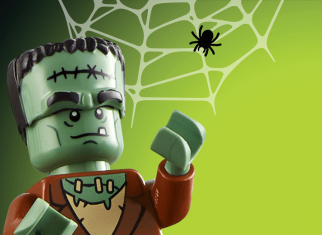
Classic: Simple and yellow, with a basic face. Detailed: Various facial expressions, beards, glasses, make-up, etc. Transparent: Used in themes such as Bionicle and Nexo Knights.

Standardised: With simple prints such as shirts, suits or armour. Unique designs: Such as capes, armour or special shapes for superheroes.

Short legs: For children or smaller characters (e.g. Yoda). Standardised legs: With or without prints. Double-curved legs: Introduced with Harry Potter minifigures.

Hairpieces and Headpieces:
LEGO introduced hundreds of unique hairpieces and headpieces, from simple caps to detailed crowns.

From swords, shields and wands to cups, animals and tools - accessories make each minifigure unique.

LEGO Friends versus Classic Minifigures
In 2012, LEGO introduced the Friends line, aimed specifically at girls. The minifigures in this line, also called "minidolls", differ significantly from classic LEGO minifigures:
Size: Minidolls are taller and slimmer than classic minifigures. Details: They have a more realistic appearance, with more subtle facial expressions and more details in their clothing. Parts: Minidolls have fixed legs and arms, offering less flexibility than classic minifigures.
These differences caused mixed reactions. Some fans appreciate the diversity, while others continue to prefer the classic minifigures because of their versatility.
Innovations and the future
LEGO continues to experiment with new parts and technologies. Think glow-in-the-dark parts, adjustable wings and magnetic accessories. The integration of digital elements, such as the collaboration with augmented reality in Hidden Side, also shows how LEGO minifigures are evolving.
LEGO minifigure parts are much more than simple building blocks; they are a canvas for creativity and self-expression. Whether you are building a classic pirate, a futuristic astronaut or an elegant Friends character, the world of LEGO minifigures offers endless possibilities. With ongoing innovations, LEGO continues to surprise and inspire us.
Discover all Lightailing light sets here

Receive the weekly ToyPro newsletter and stay up to date on the latest news about ToyPro and LEGO®, MOCs and much more. Discover LEGO®
Successful! ToyPro will keep you updated from now on. Welcome to the club.